
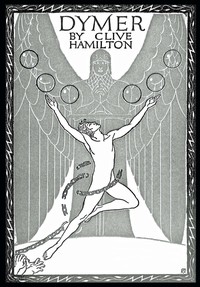
Dymer by C. S. Lewis
Before Narnia, before space travel with Dr. Ransom, a young C.S. Lewis wrote Dymer. It's a long narrative poem that feels like a dark, philosophical fairy tale. This isn't the Lewis you might know. It's grittier, more personal, and written during a time when he was wrestling with big questions about life, God, and what it means to be free.
The Story
Dymer lives in a sterile, perfect city where every life is planned. One day, a wild impulse takes over. He rebels, smashes a statue, and flees into the forbidden woods. Out there, he's alone. He sleeps under the stars, fights for food, and slowly sheds his old self. He meets a mysterious, almost magical woman and falls into a deep, consuming love. But this paradise doesn't last. A shocking act of violence shatters it. Wracked with guilt, Dymer is forced to keep moving. His journey becomes a quest for meaning, leading him to confront a terrifying, god-like figure in a ruined palace. The whole adventure asks one persistent question: Was breaking free worth the chaos it unleashed?
Why You Should Read It
I love this book because it's so honest about the messiness of freedom. Dymer isn't a noble hero. He's impulsive, selfish, and often wrong. His escape isn't clean or glorious—it's confusing and painful. Lewis shows us that choosing your own path can lead to wonderful things and terrible mistakes, sometimes at the same time. You can feel the young author's own struggles in Dymer's journey. It's like reading his private diary about doubt and desire, all wrapped in a mythic adventure. The poetic language creates a dreamlike, sometimes nightmarish, mood that really sticks with you.
Final Verdict
This book is perfect for Lewis fans who want to see where he started, and for anyone who loves a mythic, psychological adventure. If you enjoy stories about characters who break the rules and face the consequences, like in Frankenstein or The Picture of Dorian Gray, you'll find a friend in Dymer. It's not a light read, but it's a short, powerful one. Think of it as a fascinating, early blueprint for the themes of choice, sacrifice, and redemption that Lewis would master later. Give it a try if you're ready for a different kind of journey from a beloved storyteller.
This book is widely considered to be in the public domain. You are welcome to share this with anyone.
Paul White
6 months agoHaving read the author's previous works, the step-by-step breakdown of the methodology is extremely helpful for students. It cleared up a lot of the confusion I had previously.
James Jackson
1 month agoHaving read the author's previous works, the concise summaries at the end of each section are a lifesaver. An excellent example of how quality digital books should be formatted.
Elizabeth Perez
3 months agoThought-provoking and well-organized content.
David Gonzalez
4 weeks agoIt took me a while to process the complex ideas here, but the level of detail in the second half of the book is truly impressive. Thanks for making such a high-quality version available.


Paul Jones
9 months agoAs someone working in this industry, I found the insights very accurate.